Slot games may look simple on the surface. A player taps a button, reels spin, symbols appear, and the game reacts. Behind that short sequence, however, sits a surprisingly complex combination of software development, mathematics, animation, sound design, data processing, and mobile technology.
Modern slot entertainment is no longer built around mechanical reels alone. Developers now create digital experiences designed to work smoothly across smartphones, tablets, and desktop computers.
From the code controlling the reels to the graphics appearing on the screen, technology shapes almost every part of how these games look, feel, and respond.
Table of Contents
ToggleSoftware Is the Foundation of Every Modern Slot
Every digital slot begins with software. Developers write the code that controls how the game operates, including its interface, animations, symbol behavior, bonus features, and overall structure.
Game Engines Bring Different Elements Together
A game engine acts as the technical framework behind the experience. It connects graphics, sound, mathematical systems, controls, and animations so they can work together in real time.
When a player presses the spin button, several processes may happen almost instantly. The system determines the outcome, displays the appropriate symbols, triggers animations, plays matching audio, and updates the interface.
Good software architecture helps all of these processes happen smoothly without noticeable delays.
Random Number Generation Controls Outcomes
Digital slot games typically use a random number generator, commonly known as an RNG, to determine game outcomes.
An RNG continuously produces numerical values. When a spin is activated, the system uses these values to determine which symbols or results should appear.
This means the visual spinning reels are mainly a presentation layer. The underlying software determines the result before or while the reel animation is being displayed, depending on how the game has been designed.
Mathematics Shapes the Structure Behind the Reels
Graphics may attract attention, but mathematics determines how the game behaves over time.
Developers and mathematicians work together to create systems involving paylines, symbol values, bonus mechanics, volatility, and return-to-player calculations.
Paylines and Ways-to-Win Systems
Traditional digital slots often use fixed paylines. Winning combinations must appear along specific patterns across the reels.
Modern games can use more flexible systems, including hundreds or thousands of possible symbol combinations. Some titles remove traditional paylines completely and instead reward matching symbols appearing across adjacent reels or in clusters.
Platforms and gaming websites such as https://pg123.net/ reflect the broader shift toward digital slot environments where players can encounter many different game structures rather than one traditional reel format.
Volatility Influences Game Rhythm
Volatility is another mathematical element that affects how a slot feels during play.
Lower-volatility games are generally designed around more frequent but smaller-value outcomes, while higher-volatility games may produce less frequent but potentially larger variations in results.
For developers, balancing these mathematical characteristics is important because they influence pacing as much as visual design does.
Graphics Have Changed the Look of Slot Entertainment
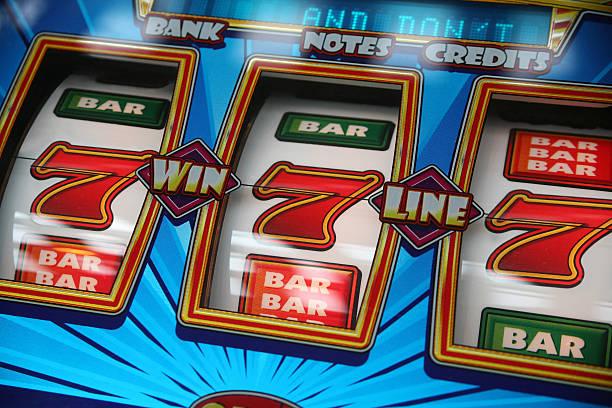
Early slot machines relied on physical symbols such as bells, fruits, bars, and numbers. Digital technology removed many of those visual limitations.
Animation Creates More Dynamic Reels
Modern games can include animated characters, moving backgrounds, expanding symbols, cinematic transitions, and interactive bonus sequences.
Symbols no longer have to remain static. They can transform, explode, grow, disappear, or trigger entirely new scenes.
These visual effects help developers create games that feel closer to casual mobile games than traditional mechanical machines.
Themes Can Be Much More Detailed
Digital development also allows creators to build slots around elaborate themes.
Games can use fantasy worlds, mythology, historical settings, futuristic cities, animals, adventure stories, or seasonal themes. Background environments may change during bonus rounds, while characters can react to events occurring on the reels.
Technology therefore gives designers far more freedom to build a recognizable atmosphere around the core game mechanics.
Sound Design Supports the Visual Experience
Audio may seem like a small feature, but it plays an important role in modern slot design.
Sound designers create background music, reel effects, button sounds, character voices, and audio cues connected to specific events.
Audio Gives Players Immediate Feedback
Different sounds can indicate that a feature has started, a symbol has changed, or a bonus sequence has been activated.
Instead of requiring players to read every message on screen, audio can communicate information quickly.
Music may also change during different parts of the game. A regular spin sequence might use calm background music, while a special feature could introduce faster or more dramatic audio.
Mobile Technology Has Changed How Slots Are Designed
One of the biggest changes in online gaming has been the move toward smartphones.
Developers can no longer assume that players are using large desktop monitors. Games need to function properly on screens of many different sizes.
Responsive Interfaces Adjust to Different Devices
Responsive design allows game interfaces to adapt automatically according to screen dimensions.
Buttons must remain easy to tap, symbols need to stay readable, and menus should not cover important areas of the game.
Developers also consider whether users are holding a device vertically or horizontally.
Performance Matters on Mobile Devices
Modern graphics can require considerable processing power. Developers therefore need to balance visual quality with performance.
Animations that look impressive on a powerful computer may need optimisation before they can run smoothly on a mid-range smartphone.
Efficient coding, compressed graphics, and faster loading systems help reduce unnecessary demands on the device.
HTML5 Helped Make Browser Gaming More Flexible
HTML5 has become an important technology in browser-based gaming because it allows interactive content to operate across many modern devices without requiring older browser plugins.
For slot developers, this makes it easier to build games that can run through compatible web browsers on both desktop and mobile platforms.
It also supports graphics, animation, audio, and touchscreen interaction, making it well suited to modern online game development.
Technology Will Continue Expanding Slot Design
Slot entertainment has moved far beyond the mechanical machines that first introduced spinning reels. Modern titles combine programming, mathematical models, responsive interfaces, animation, sound, and mobile optimisation within a single digital experience.
As devices become more powerful and software tools improve, developers will have even greater freedom to experiment with interactive features, richer visual environments, and new ways of presenting reel-based gameplay.
The spinning reels may still be the most recognizable part of a slot game, but today, the real machinery sits behind the screen in the code that brings everything together.